






What Separates a Modern Airframe from a Newly Built One
By Stefano Mavilio · Updated November 20, 2026
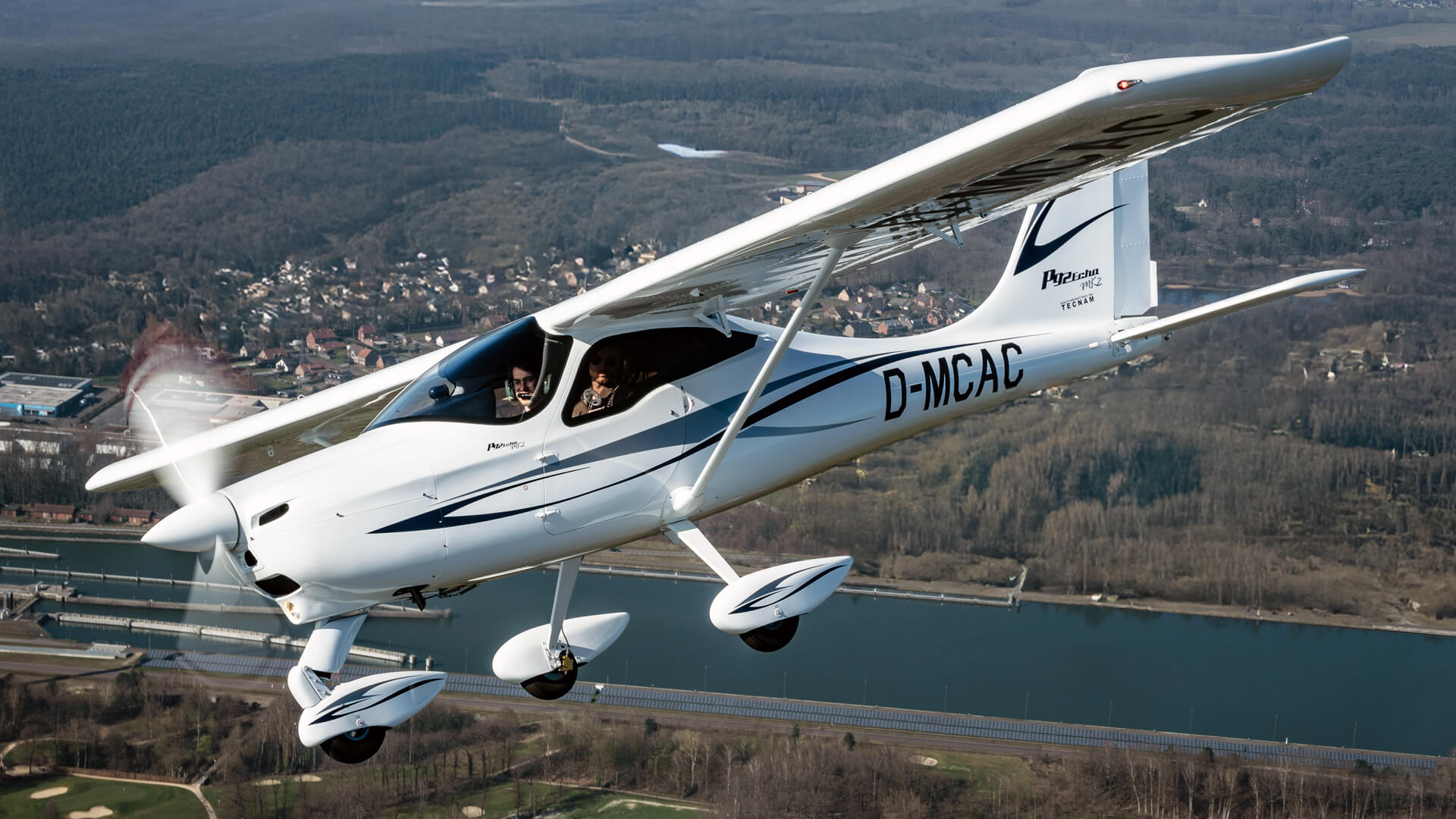
A trainer assembled in 2026 on a type certificate from the late 1950s leaves the factory with seven decades of design lineage. A Tecnam P-Mentor assembled in 2026 leaves the factory on an EASA type certificate first issued on 7 April 2022. Both are new aircraft, but only one is truly modern.
Why "Modern" Matters for Flight Training
If your ambition is to deliver pilots who walk into a regional jet ready for the systems they will fly, the difference between new and modern is the difference between training friction and training continuity.
- Current Standards: Modern aircraft are built around current materials science, contemporary ergonomics, modern avionics architectures, and the latest certification standards.
- Airline Readiness: Aircraft built around mid-century aerodynamics train pilots for cockpits they will leave behind on day one of an airline type rating.
Three main technical factors separate a modern trainer from a newly built legacy aircraft:
1. A Composite-Alloy Hybrid Airframe
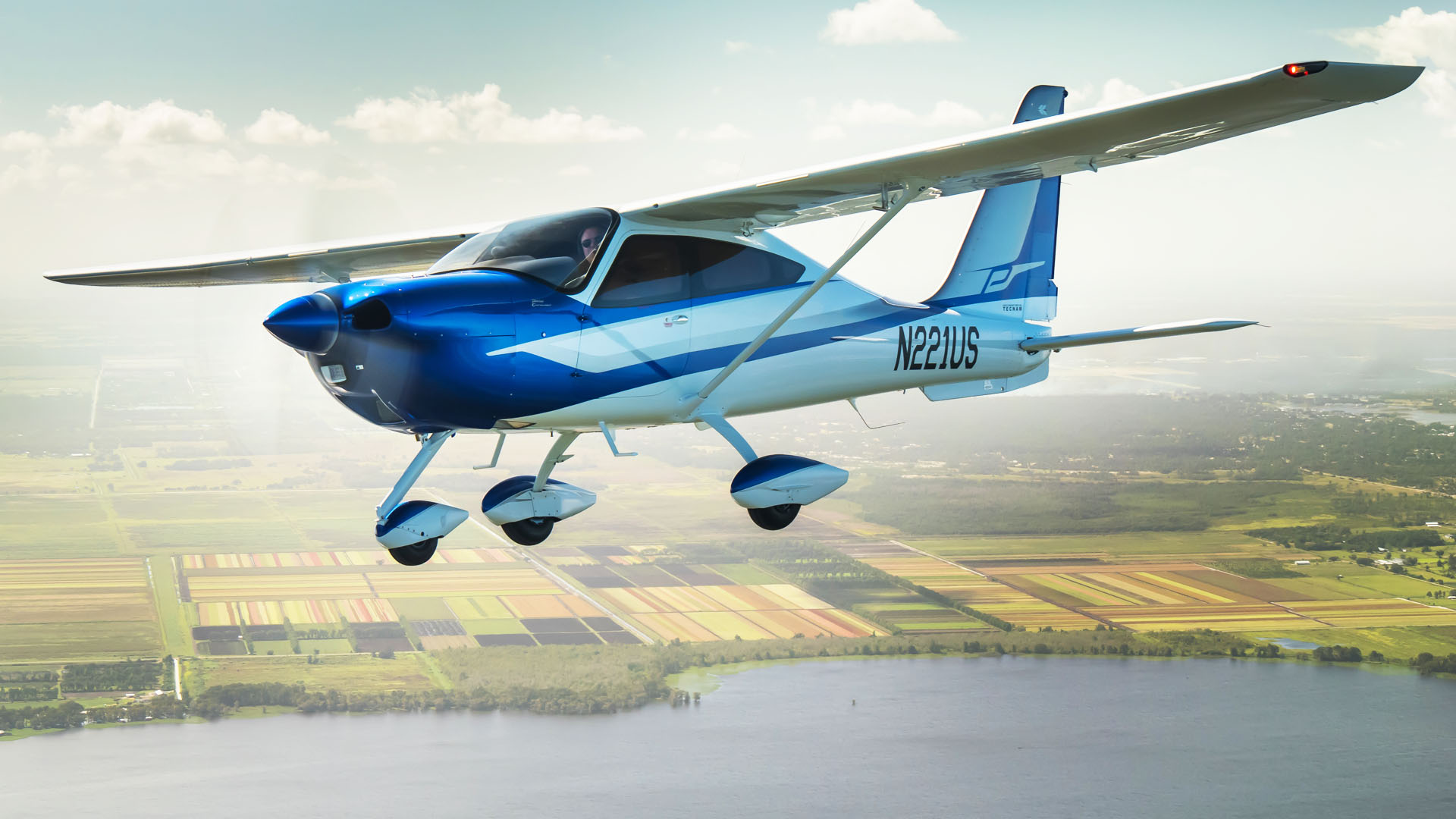
The Tecnam P-Mentor's structure is built around three specific materials, each chosen strictly for the job it does best. This level of material specificity is simply not available in airframes designed before computational fluid dynamics and modern composite manufacturing became standard tools.
- The Wing: Features a tapered planform with a laminar-flow airfoil. It uses a mixed structure: light alloy for the spars and wing box where structural rigidity demands it, and carbon-fibre-reinforced plastic for the one-piece leading edge where aerodynamic precision and weight matter most.
- The Fuselage: Envelopes the cabin in a 4130-steel truss frame specifically for crash energy absorption. It uses light alloy for the tailcone and glass-fibre-reinforced plastic for the side fuselage skins.
2. Uncompromised CS-23 Stall Certification
A type certificate first issued before 1960 predates contemporary crash dynamics research. Because the P-Mentor was designed around modern stall standards rather than retrofitted to meet them, it meets CS-23 Amendment 5 for low-speed and stall characteristics natively.
- Aerodynamic Superiority: It meets these strict standards based entirely on its own aerodynamics, without needing a ballistic recovery system (BRS) as a structural prerequisite.
- A BRS is still offered as an option for operators who want that additional layer of safety.
3. Powerplants Free from 1950s Infrastructure
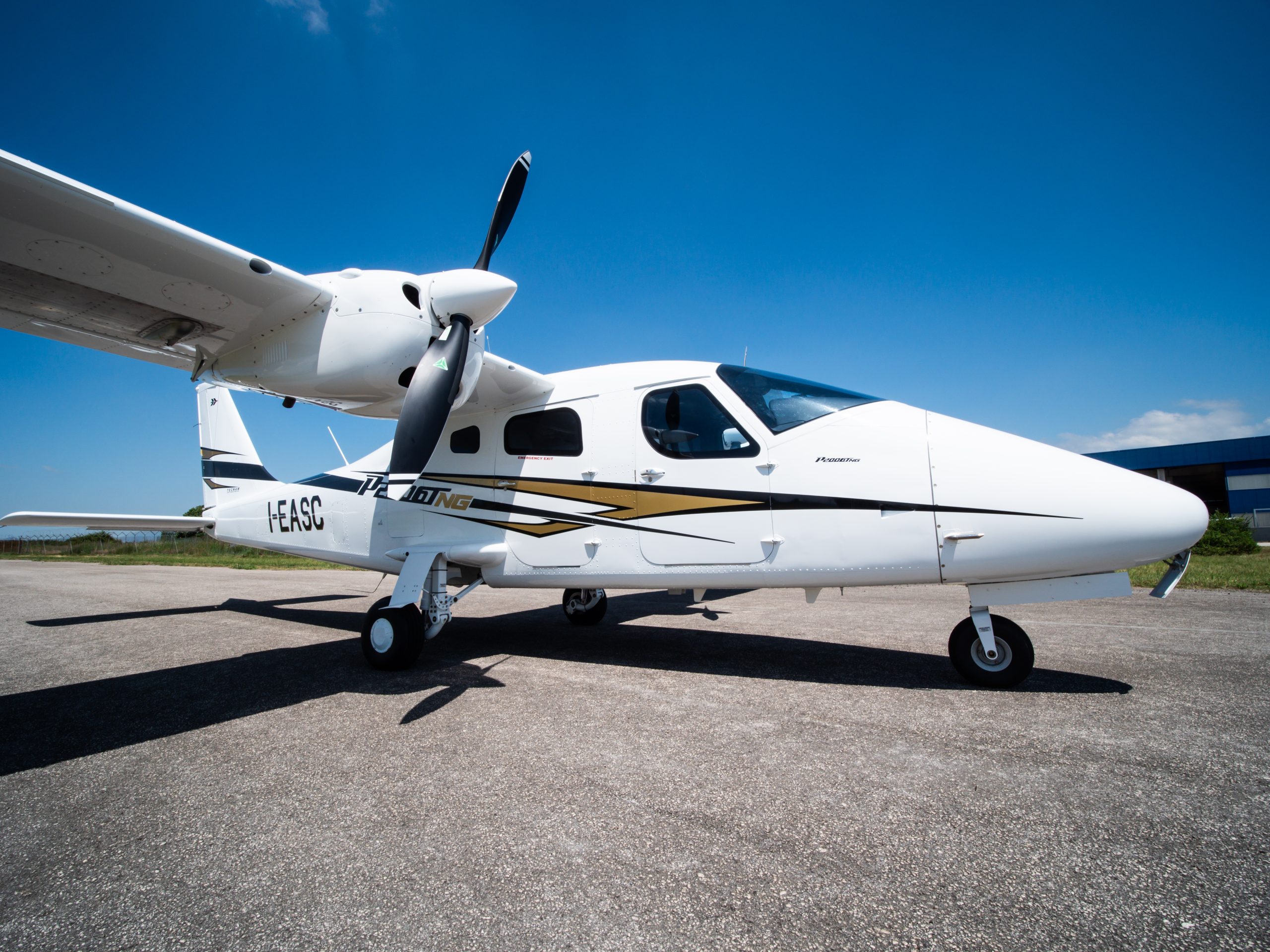
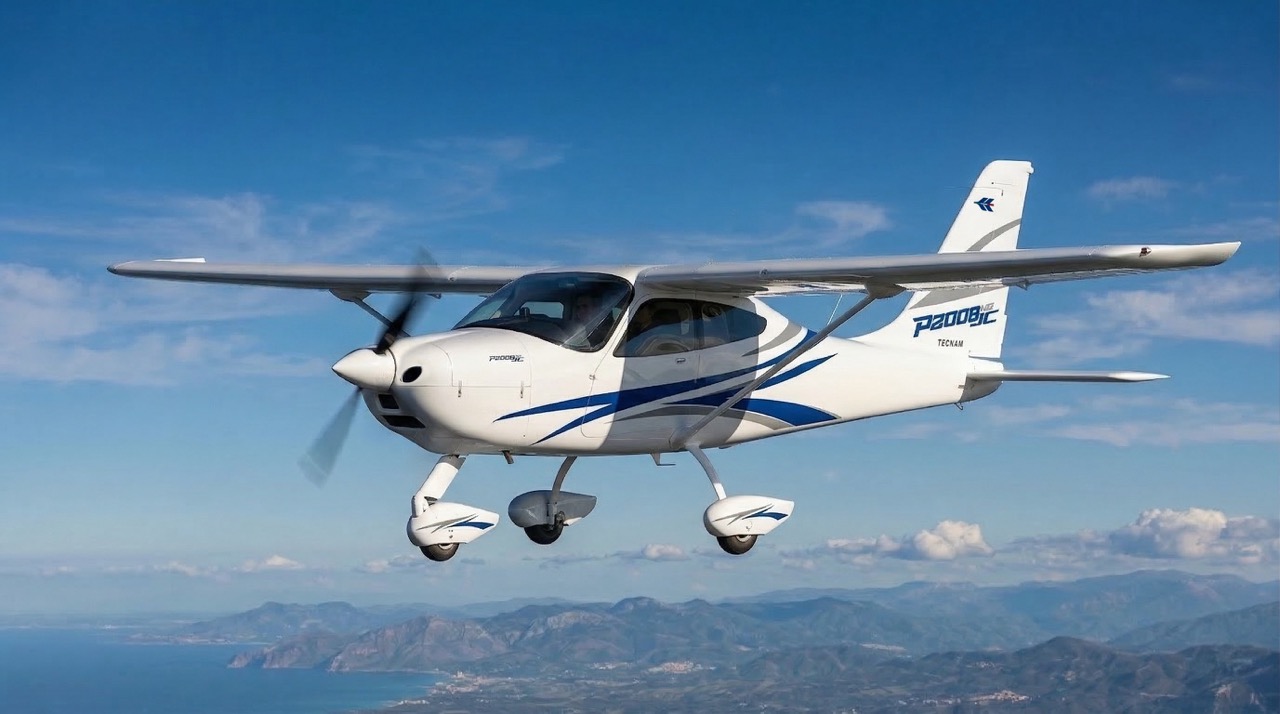
A modern airframe requires a modern engine. The Rotax 912 iSc3 Sport in the P-Mentor burns about 14 litres per hour (3.7 US gal/h). The P2006T NG has two of them, 28 litres per hour in total. More importantly, both run on mogas, the unleaded automotive fuel that flight schools across Europe can easily source, as well as on avgas.
Modern Trainer Aircraft FAQs
What is the difference between a new and a modern trainer aircraft?
A new aircraft is simply recently built, even if its type certificate dates back decades. A modern trainer is also designed around current materials, avionics and certification standards. The Tecnam P-Mentor is one example: it meets the latest CS-23 requirements for low-speed and stall characteristics.
What materials are used in the Tecnam P-Mentor airframe?
The wing uses light alloy for the spars and wing box and carbon-fiber-reinforced plastic for the one-piece leading edge. A 4130-steel truss frame surrounds the cabin, the tailcone is light alloy, and the side fuselage skins are glass-fiber-reinforced plastic.
Does the P-Mentor need a ballistic recovery system to meet CS-23 stall requirements?
No. The wing design allowed the P-Mentor to pass the latest CS-23 amendment for low-speed and stall characteristics without a ballistic recovery system being an essential part of the aircraft. An approved BRS is available as an option.
What engine and fuel does the P-Mentor use?
The P-Mentor is powered by the 100 HP Rotax 912iSc3. It runs on mogas or avgas and has a published fuel consumption of 14 L/h (3.7 US gal/h).
Which training stages does the P-Mentor cover?
Tecnam positions the P-Mentor for PPL, IR and UPRT training, so a school can deliver the full single-engine course with one aircraft. For multi-engine training, the Tecnam P2006T NG is the next step.