






How to Choose an Aircraft for a Flying Club: The Complete Guide & FAQs
A flying club buys one thing above all: shared access to the sky. The aircraft that sits at the center of that promise decides everything else—how many members you can carry, what each hour costs, and how easy the plane is to schedule, insure, and maintain.
Choosing a flying club aircraft is not a matter of picking a favorite model; it is a committee decision, made once, but felt every month on the balance sheet and every weekend on the ramp. This guide gives your committee a repeatable way to decide, using a scorecard you can reuse as your club grows.
Key Criteria for Selecting a Club Aircraft:
-
Analyze Annual Utilization: Calculate realistic flight hours to distribute fixed costs effectively.
-
Assess Pilot Demographics: Balance the fleet to accommodate both low-time trainees and experienced tourers.
-
Standardize for Growth: Avoid scheduling friction by selecting an aircraft that serves multiple mission profiles without unnecessary complexity.
1. Calculating Aircraft Utilization Rates
The single biggest driver of your economics is how many hours the aircraft flies each year. A club aircraft that sits on the tarmac earns nothing but continues to drain resources through fixed costs like hangar fees, insurance, annual inspections, and tied-up capital.
A well-scheduled aircraft spreads those fixed costs across many hours and many members. Before looking at spec sheets, begin here: estimate honestly how many hours per year your membership will actually fly, and in what pattern. Weekday-empty and weekend-jammed is a very different operational problem from steady, daily use.
The best flying club aircraft is the one your members will actually book, again and again, without friction.
Utilization also shapes your fleet logic. Operating one aircraft for a small club keeps administration simple. Adding a second aircraft—or two different types—relieves scheduling pressure but raises cost and complexity. Model that before you fall for a spec sheet.
2. Matching Aircraft Capabilities to Pilot Profiles
A club’s membership is rarely uniform. You will have fresh PPL holders, rusty returners, confident tourers, and a few who are still training. Each experience level asks something different from the airplane.
To maximize booking rates and safety, map your aircraft choice directly to your members’ operational needs:
| Pilot Profile | Key Aircraft Requirements | Ideal Aircraft Profile |
| Trainees & Fresh PPLs | Forgiving handling, predictable behavior, modern avionics to manage workload. | Modern IFR Trainer (e.g., Tecnam P-Mentor) |
| Rusty Returners | Intuitive systems, standardized panels, excellent visibility to rebuild confidence. | Easy-to-fly single engine. |
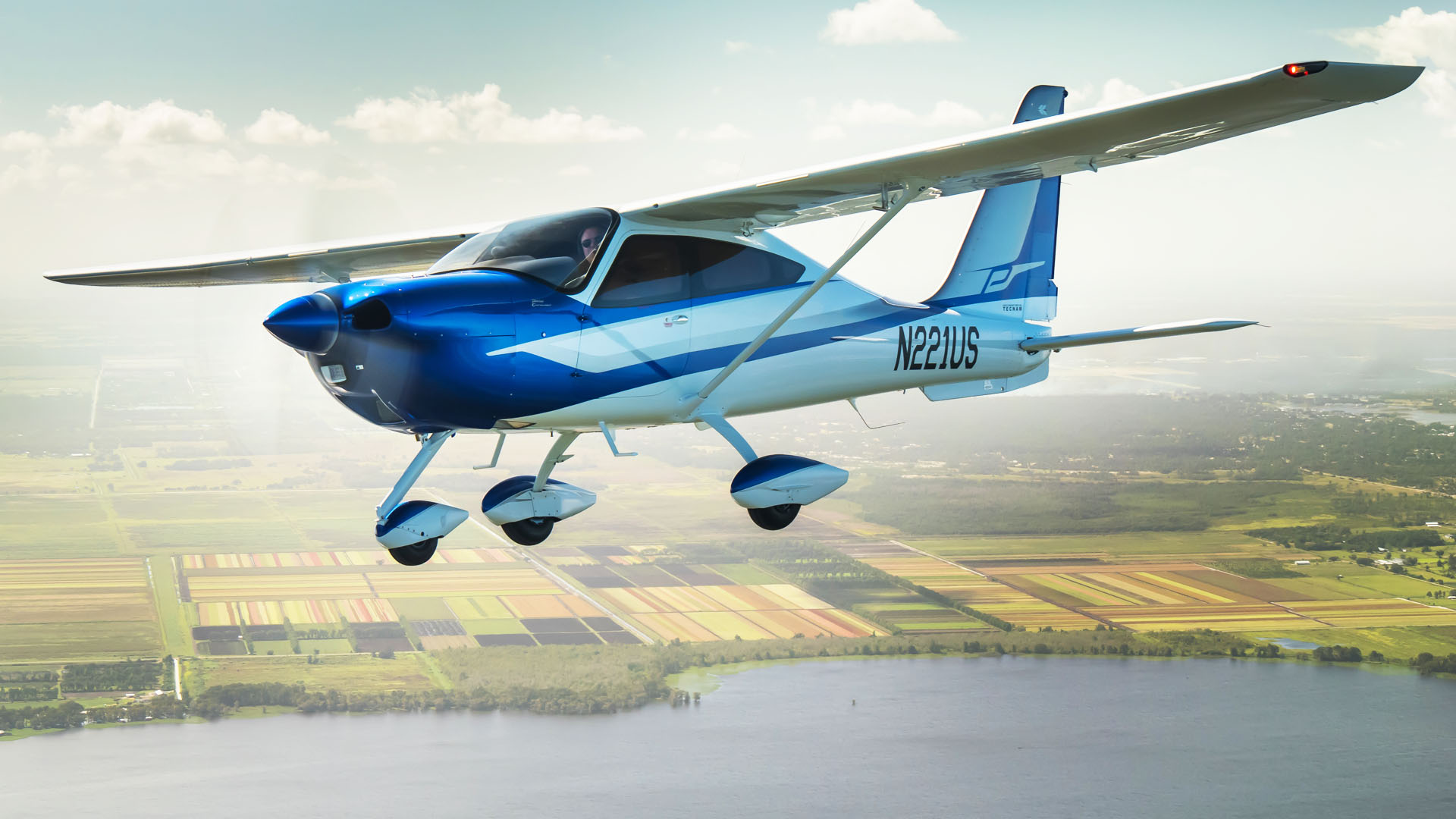
| Experienced Tourers | Extended range for real trips, payload for passengers, comfort for long legs. | 4-Seat Cross-Country Tourer (e.g., Tecnam P2010) |
The art of a mixed club is finding an aircraft, or a small mix, that serves both without punishing either. A trainer suited to the intended syllabus can build confidence and simplify fleet standardization. Experienced members, however, want capability.
From Pilots, For Pilots: an aircraft that suits a low-time member and a seasoned member is worth more than one that only satisfies half the roster.
3. Flying Club FAQs
What is a flying club?
A flying club is a group of members who share access to one or more aircraft, splitting fixed and operational costs across the membership. Depending on the club’s structure, members commonly pay:
A Joining Fee: Initial capital contribution.
Monthly Dues: Covers shared fixed costs such as hangar space, insurance, and maintenance.
An Hourly Flying Rate: Covers direct operating costs based on actual flight time.
Is flying club membership worth it?
Yes, it can be highly cost-effective for active pilots, provided the club’s aircraft, availability, and fee structure match their needs. Shared fixed costs may make flying more affordable than sole ownership. Additionally, the club provides:
Maintained aircraft.
Structured scheduling systems.
A pilot community.
(Tip: Always compare total fees, booking access, and aircraft suitability before joining).
What aircraft is best for a flying club?
There is no single best model—it depends entirely on your club’s profile. Score each candidate on utilization, member experience, hourly cost, insurability, maintenance access, payload, and range:
Training-led clubs: Prioritize a forgiving, efficient trainer with modern avionics.
Touring clubs: Need suitable range, usable payload, and passenger comfort.
Mixed clubs: May benefit most from operating two different types to serve all members without compromise.
How much does it cost to run a flying club aircraft?
The cost per hour depends on combining fixed and variable expenses, divided by annual utilization. To build an accurate hourly figure, you must evaluate:
Variable Costs: Fuel burn, and maintenance/engine reserves.
Fixed Costs: Current local prices for hangar space, and actual insurance terms.
Utilization Rate: Realistic annual flying hours.
Once calculated, share these assumptions openly with the club members.