




Why Fleet Modernisation is a 2050 Decision, Not Just a 2026 One
A flight school aircraft purchased in 2026 will continue to operate well into the late 2040s. Because the aviation industry is committed—by ICAO, EU regulation, and national pathways—to a net-zero decarbonisation trajectory by 2050, modernising your fleet is no longer just about acquisition cost; it is a strategic positioning decision for the next 24 years.
Strategic Fleet Considerations for 2050:
-
Regulatory Alignment: CO2 emissions per training hour and fuel-supply regulations will be strictly revisited during the operational life of any aircraft bought today.
-
Avoiding Double Replacement: A structurally aligned fleet ensures your training operation will not require a second fleet replacement before 2050.
The Market Shift: European Flyers’ €7 Million Commitment
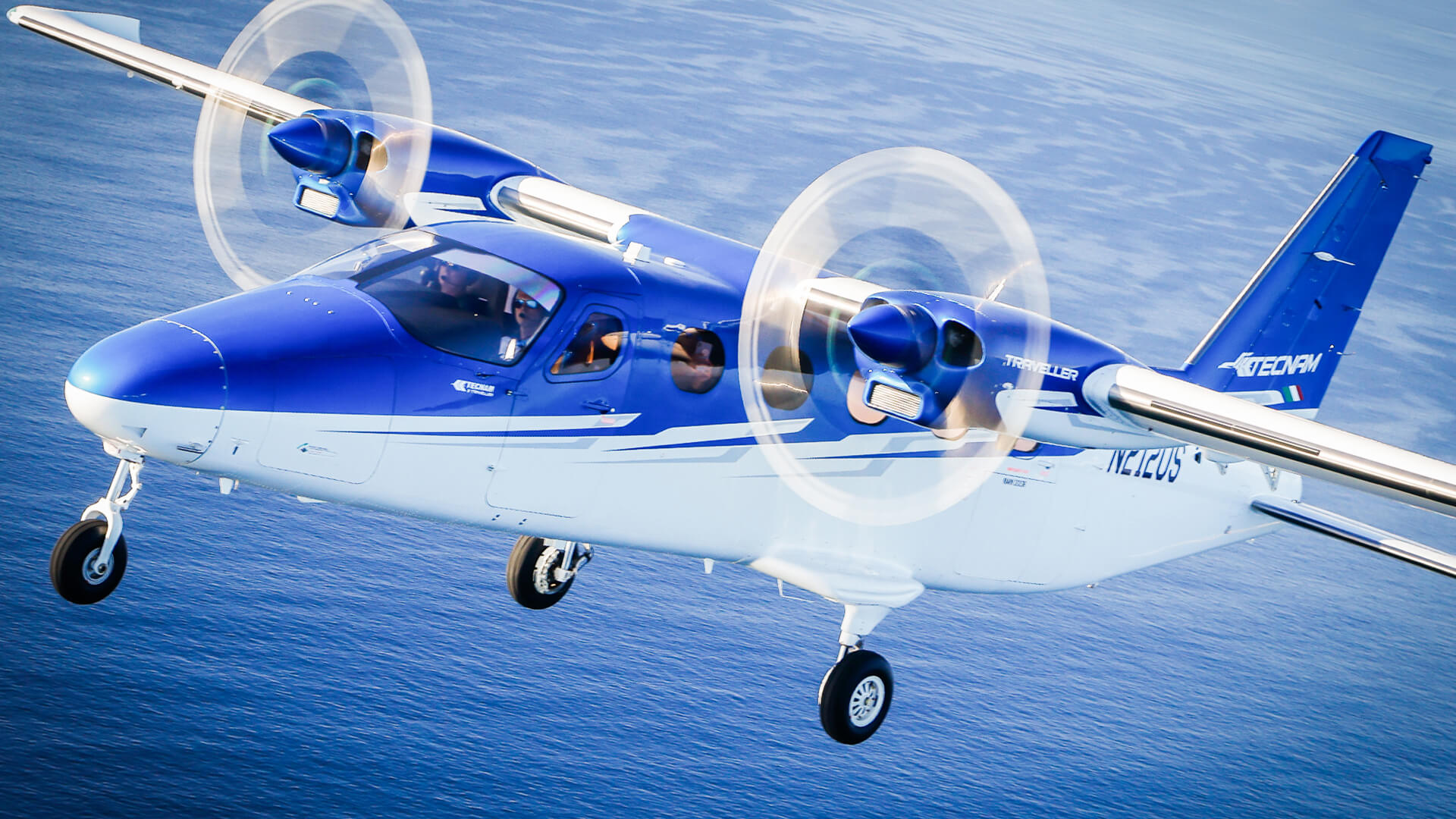
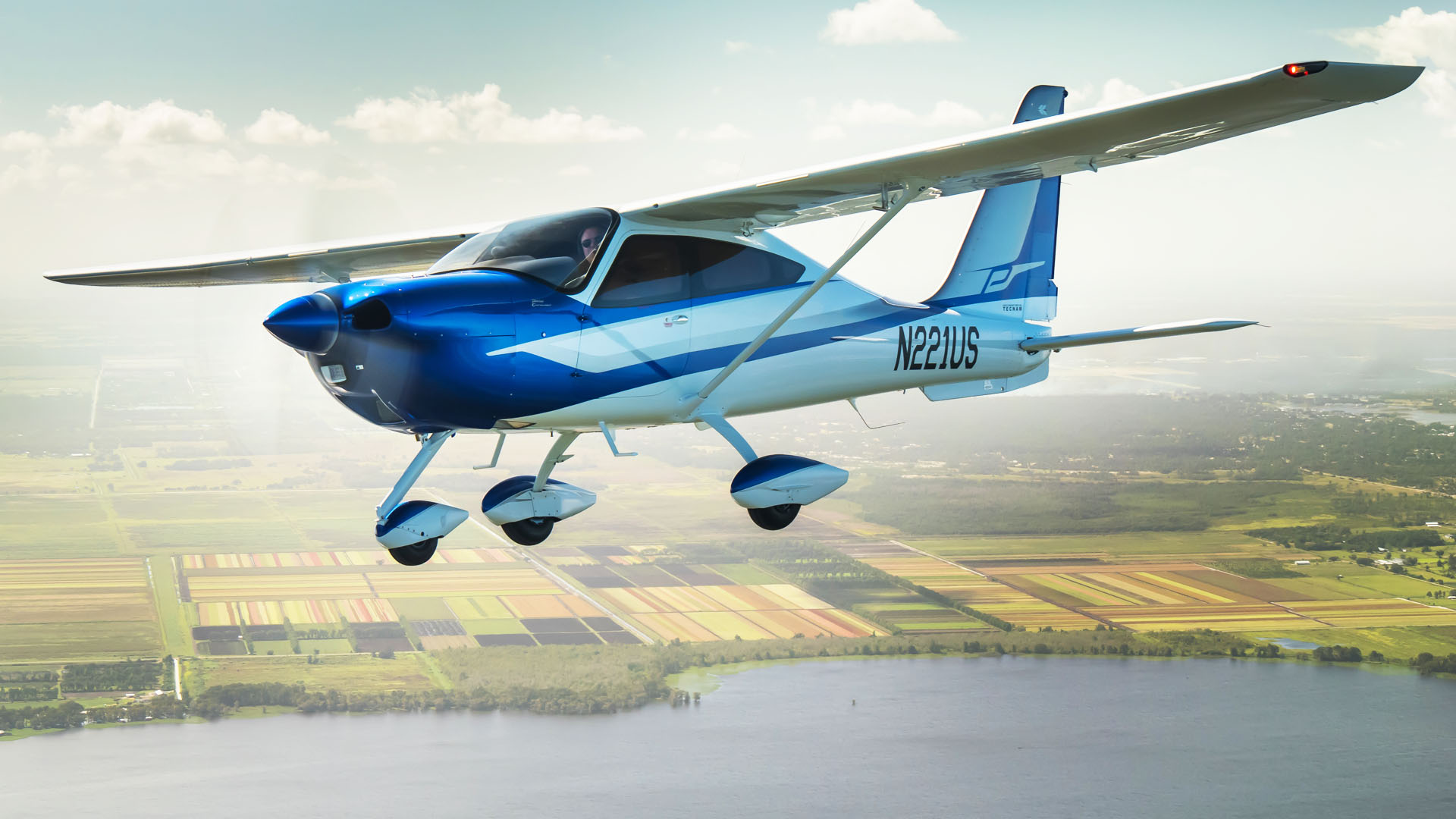
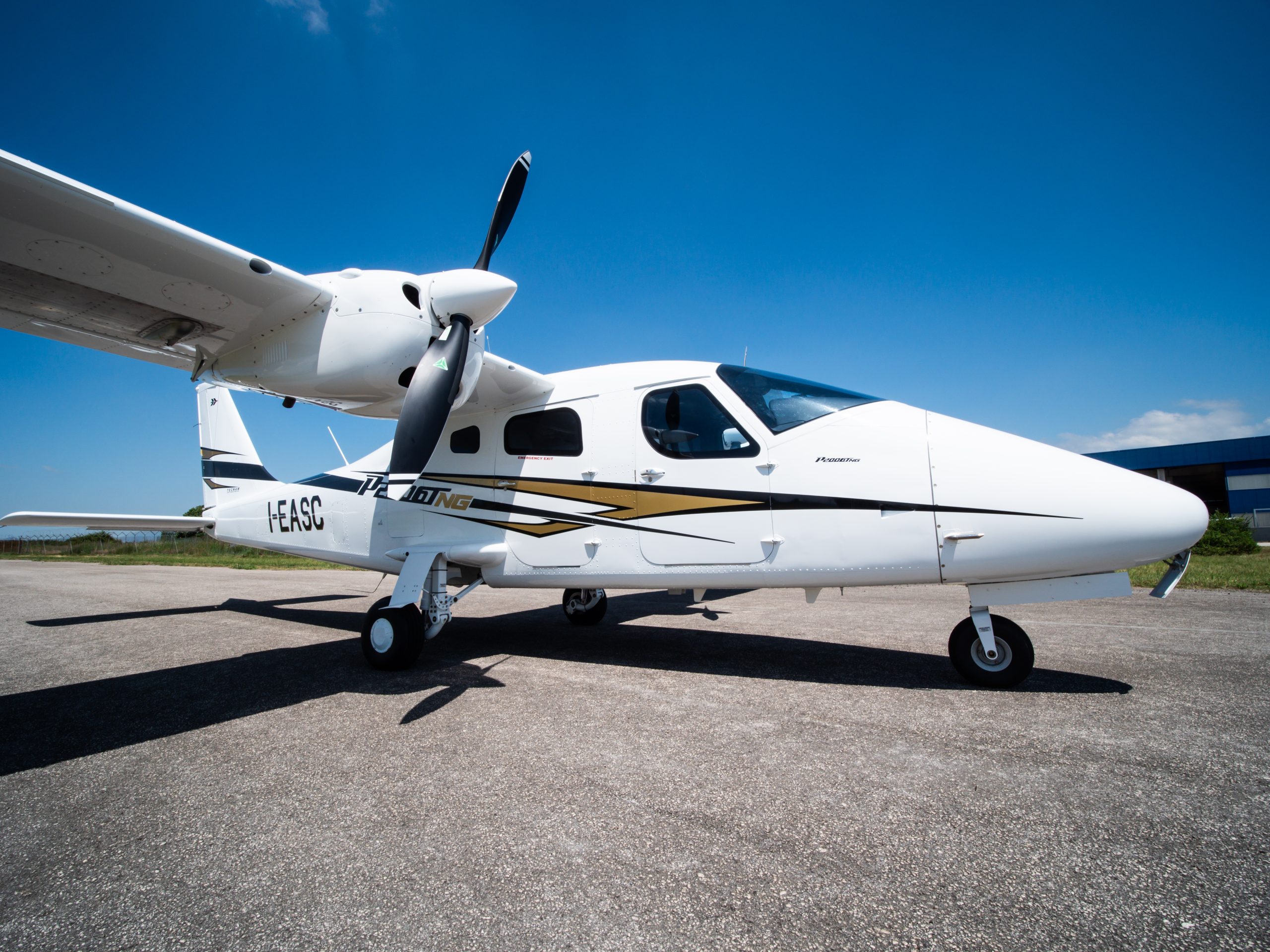
At AERO Friedrichshafen 2026, Spain’s leading pilot training provider, European Flyers, committed €7 million to acquire twelve Tecnam P2010 TDI aircraft. As Managing Director Luis Miñano noted, this investment provides students with advanced technology while strengthening the academy’s market leadership.
This choice represents a structural fleet positioning rather than a marginal operating decision:
-
The Tecnam P2010 TDI is powered by the Continental CD-170 Jet-A1/diesel powerplant.
-
It burns a fuel category guaranteed to remain available, completely bypassing the regulatory phase-out timeline and supply chain pressure of 100LL AvGas.
-
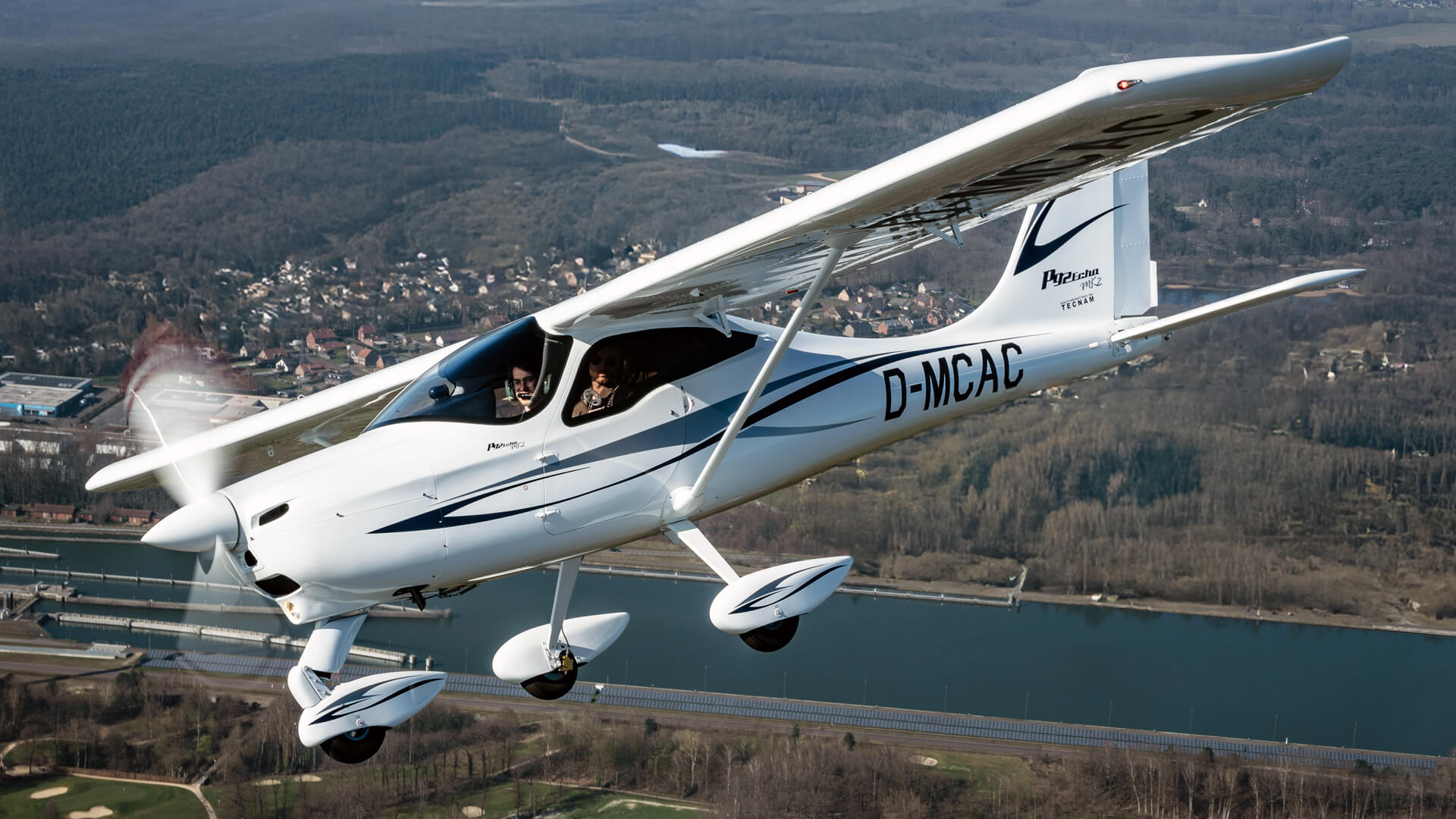
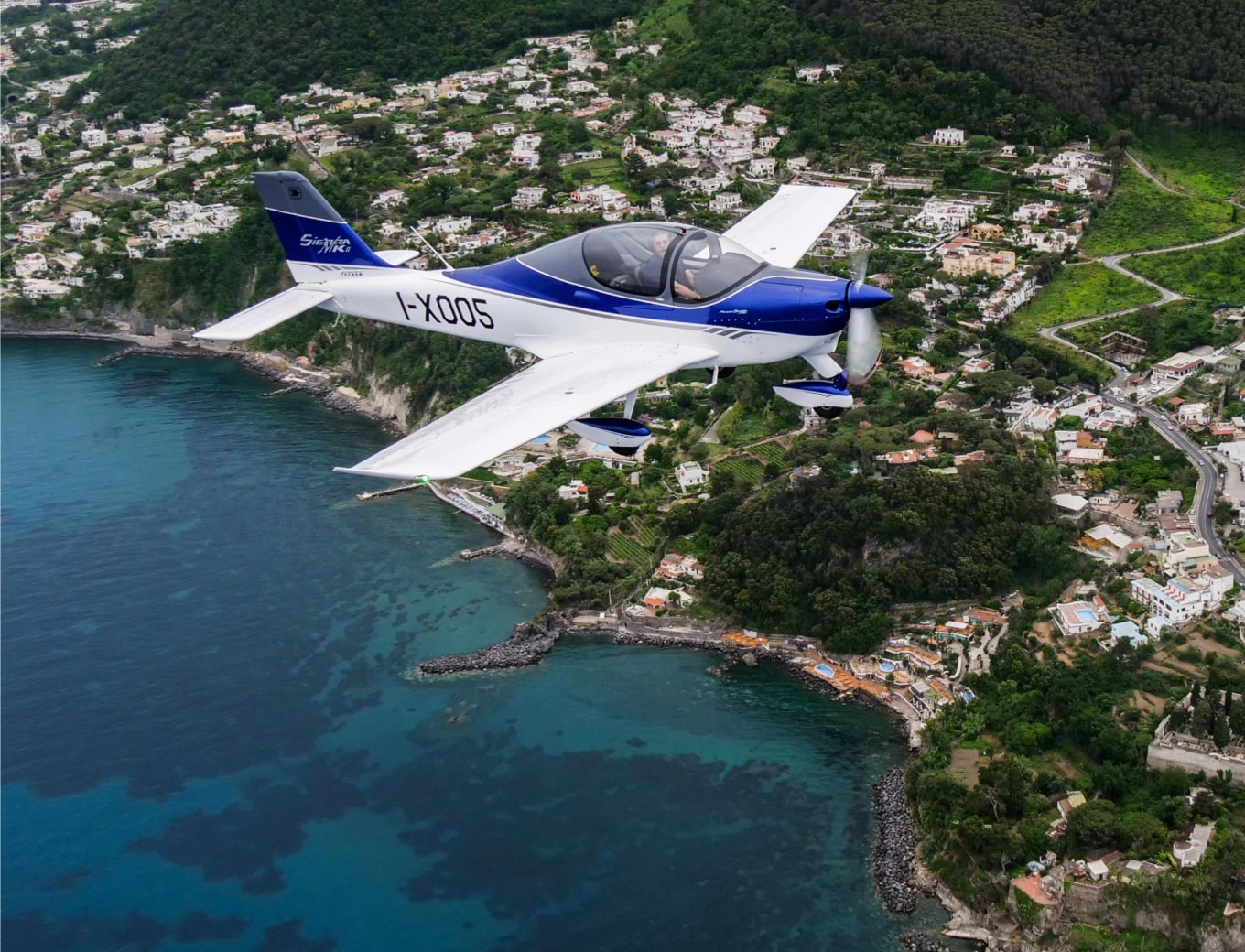
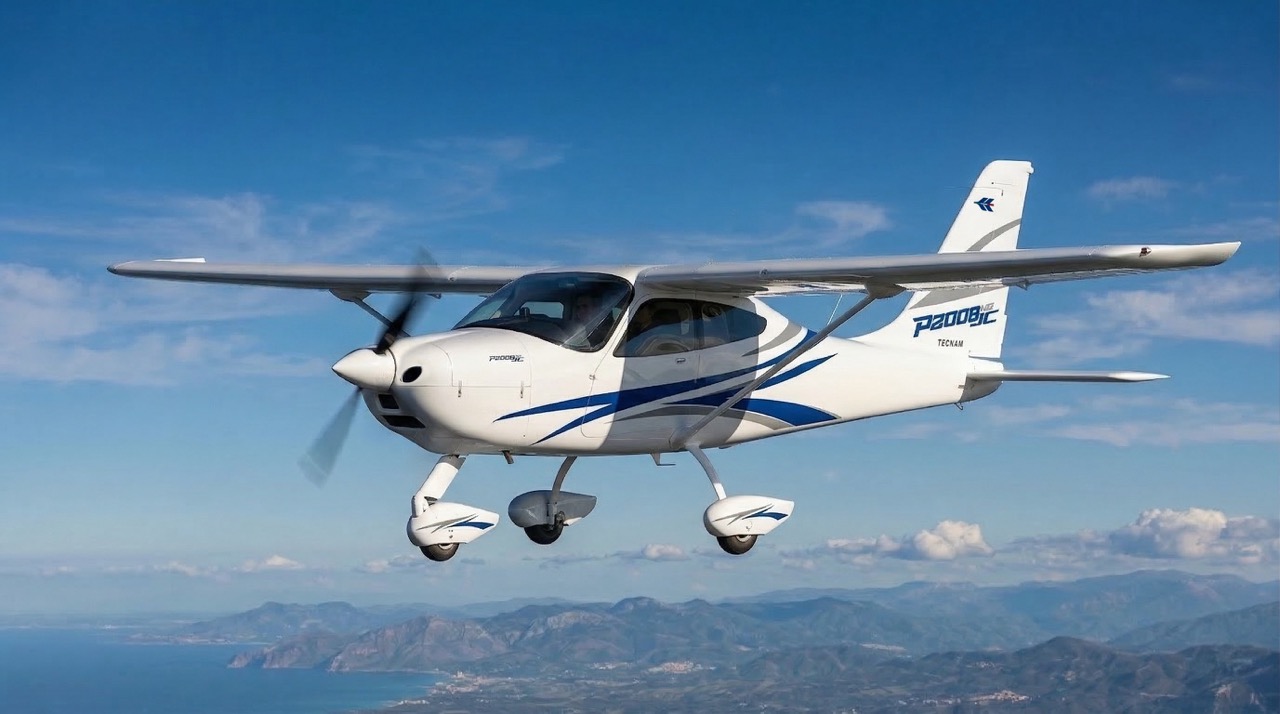
Across April 2026, other major academies—including Center Air Pilot Academy (Denmark), Greybird Aviation Group, and ACS Aviation (Scotland)—encoded the same bet by signing substantial Tecnam fleet agreements.
The Emissions Arithmetic: Real-World CO2 Savings
Choosing an environmentally aligned fleet delivers an immediate, measurable impact on decarbonisation targets:
-
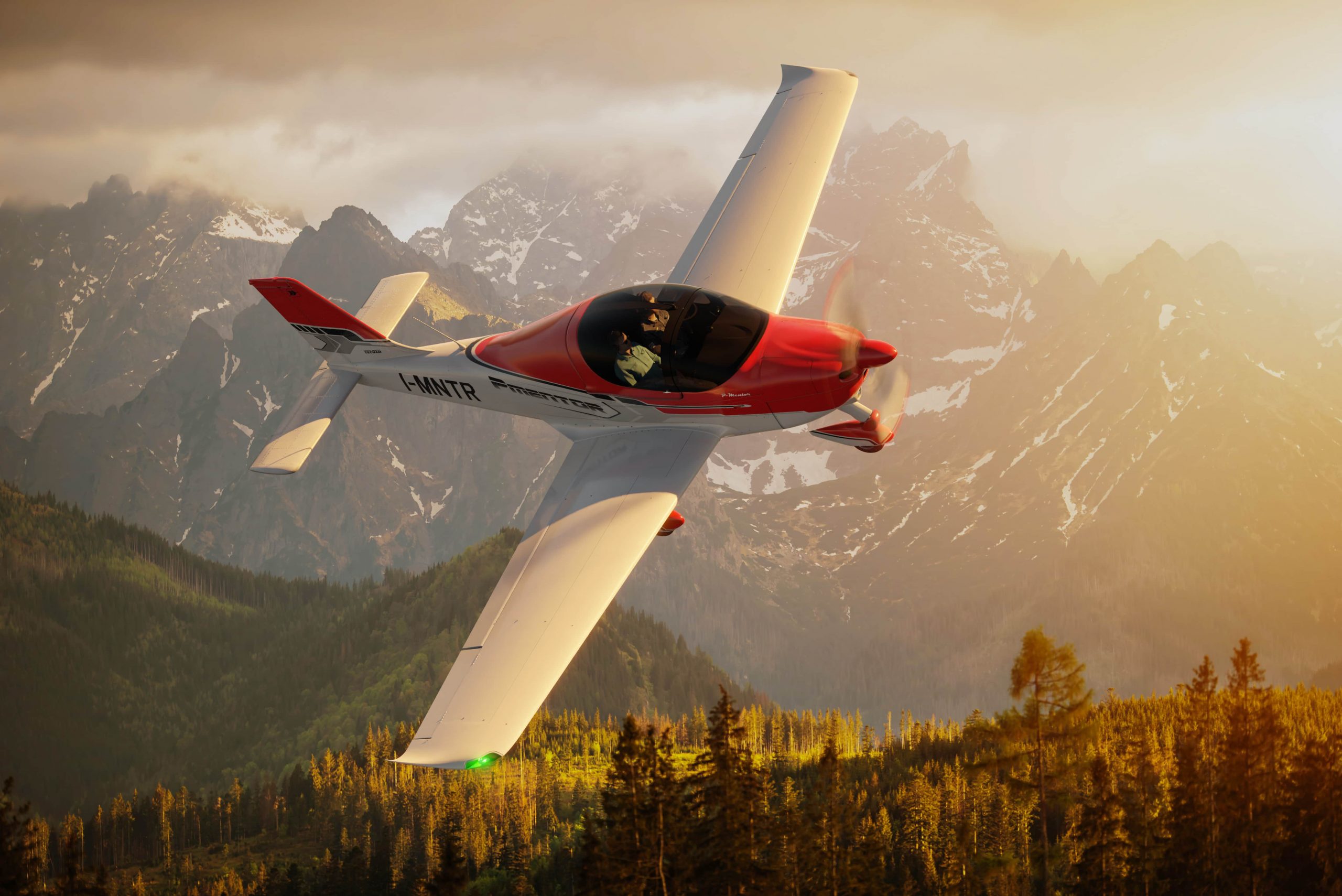
60% Hourly Reduction: The Tecnam P-Mentor reduces CO2 emissions per flight hour by 60% compared to legacy IFR trainers running 100LL AvGas.
-
10 Tonnes Saved per Student: Across a standard 155-hour Commercial Pilot Licence (CPL) syllabus (which includes 30 hours of twin-engine flying), a Tecnam fleet saves up to ten tonnes of CO2 per student.