




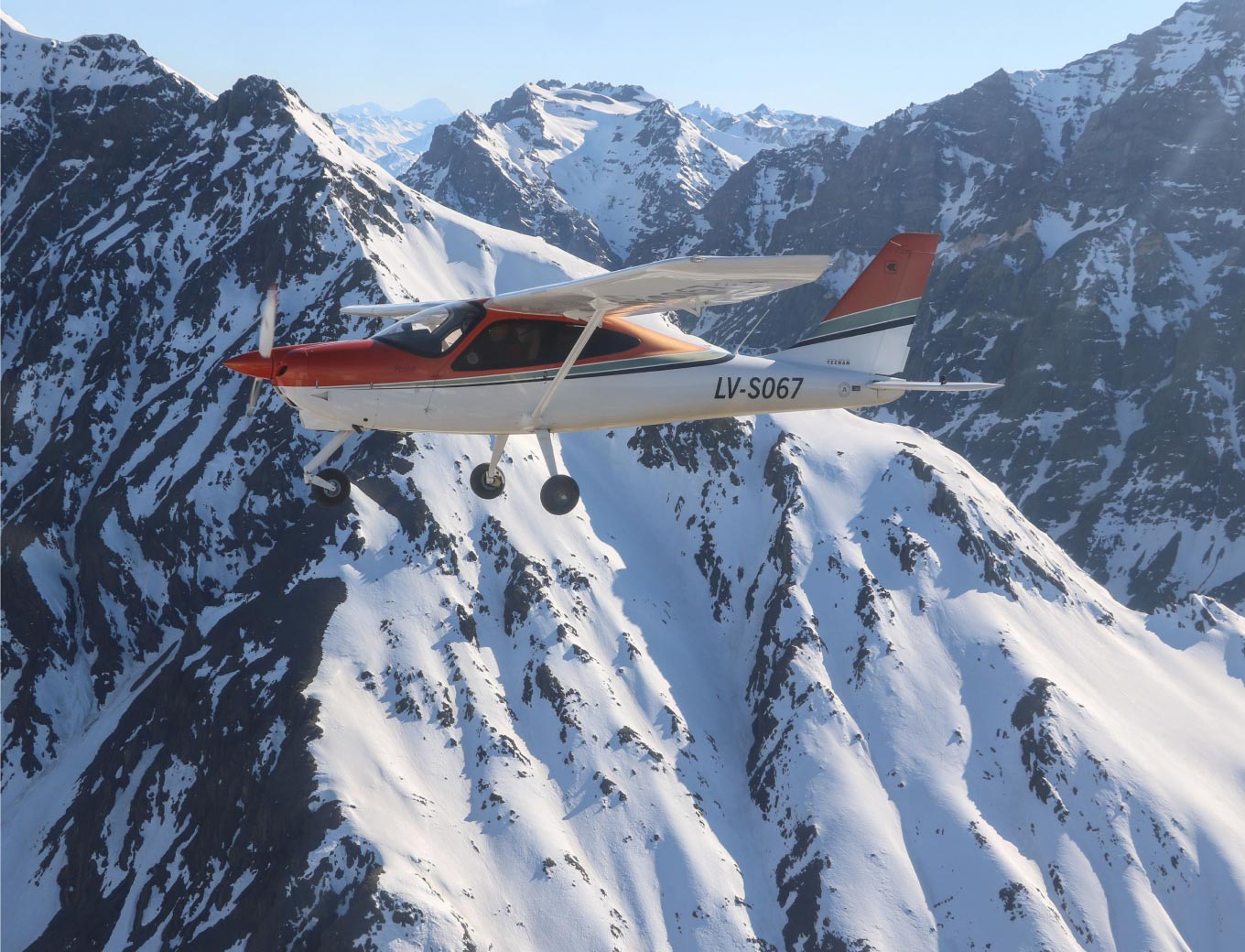

Aircraft Diesel Engines: How They Work and When They Make Sense
It comes up in every hangar-door conversation about buying an aircraft: what turns the propeller, and does the fuel in the tank still suit the way you fly? For decades, the answer was avgas. Today, a compression-ignition engine burning Jet A is a serious, highly efficient option for flight schools and owner-flown aircraft.
The Diesel Advantage at a Glance:
-
Fuel Availability: Burns widely available Jet A or Jet A-1 instead of scarce, leaded avgas.
-
Operational Efficiency: Delivers up to 47% lower fuel burn per hour compared to similar avgas engines.
-
Simplified Management: Managed electronically (FADEC) with no spark plugs, magnetos, or manual mixture control.
1. How Aircraft Diesel Engines Work: Compression vs. Spark
An aircraft diesel engine is a compression-ignition piston engine. While a conventional avgas engine mixes fuel and air then fires a spark plug to ignite the charge, a diesel skips the spark entirely. It compresses air until it is hot enough to ignite fuel injected straight into it.
This design choice drives most of what pilots actually notice:
-
No manual mixture control: Engine management runs electronically, significantly reducing pilot workload.
-
No traditional ignition system: Dropping spark plugs and magnetos removes routine ignition maintenance.
-
Consistent altitude performance: Modern aircraft diesels are usually turbocharged, holding rated power higher into the climb where a normally aspirated avgas engine would fade.
2. The Jet A Fuel Advantage
Availability matters more than any spec-sheet number. Avgas is still leaded, increasingly expensive, and in many countries, simply hard to find. Jet A, however, is available almost everywhere aviation exists—from major hubs to remote strips.
General-aviation diesels run on Jet A or Jet A-1, the same kerosene-type fuel used by turbine aircraft. Some engines, like the Continental CD-170, are cleared for multiple fuels including JET A-1, JET A, and EN 590 automotive diesel. If you fly or train across regions where avgas supply is thin, a Jet A engine removes a logistical worry that has grounded more than a few flight plans.
3. Fuel Burn and Performance Comparison
Compression-ignition engines are more thermodynamically efficient than spark engines. Tecnam offers an unusually clean comparison because the same four-seat airframe—the Tecnam P2010—is available with either engine type.
Tecnam P2010 Engine Comparison:
| Airframe Model | Engine Model | Fuel Type | Hourly Fuel Burn | Rated Power |
| P2010 180HP | Lycoming IO-360 | 100LL Avgas | 11.9 USG/h (45 l/h) | 180 HP |
| P2010 TDI | Continental CD-170 | Jet A / Jet A-1 | 6.3 USG/h (24 l/h) | 170 HP |
Result: The diesel variant uses roughly 47% less fuel for only 10 HP less rated power. For a flight school flying hundreds of hours a year, that gap is the line item that dictates the profitability of every training sortie.
(Note: The Continental CD-170 also powers the Gran Lusso TDI, the premium version of the same airframe).
4. Maintenance and Total Cost of Ownership
Fewer moving parts do not automatically mean less maintenance; rather, the character of the maintenance changes.
-
Durability: Diesels run at higher internal pressures and are built more robustly.
-
Service Components: They depend on electronic control units (ECUs), high-pressure injection, and a reduction gearbox.
-
Overhaul Schedule: For the CD-170 used by Tecnam, Continental publishes a Time Between Replacement (TBR) of 1,800 hours or 12 years.
Crucial Advice: Before committing to a diesel airframe, ensure authorized service and parts support exist within reach of your base. Local support usually outweighs a marginal spec advantage.
5. Four Questions Before You Choose
Propulsion is a mission decision before it is a technical one. Answer these four questions to decide if diesel is right for your fleet:
-
What does your typical flight look like? Diesels reward operators who fly long cross-country legs and high frequencies.
-
Where do you buy fuel? If Jet A is everywhere on your network and avgas is scarce, the decision makes itself.
-
How many hours do you fly? Fuel savings scale with utilization. A school flying 600 hours a year recovers the efficiency difference far faster than a private owner flying 40.
-
Who maintains it locally? Certified capability and technician familiarity decide whether a fleet flies or sits.
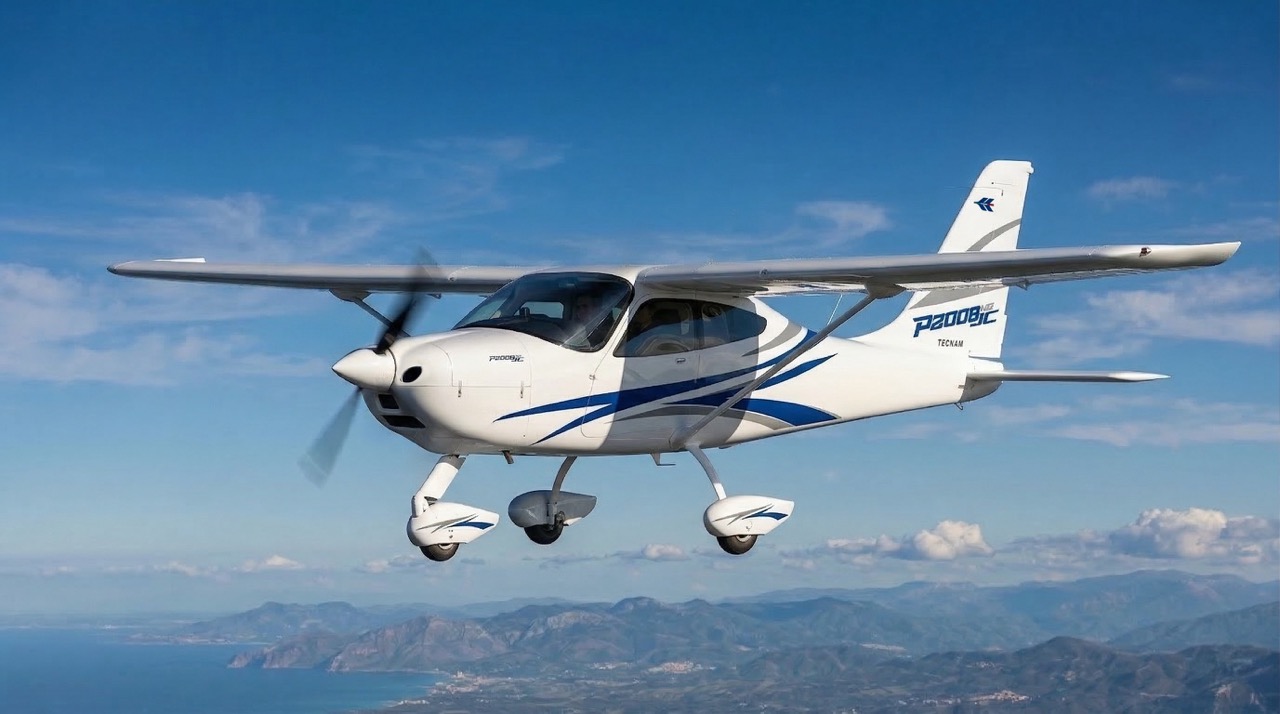
For high-utilization fleets, a Jet A platform produces exceptional operating economics. For lower-hour local flying from fields with reliable avgas, a proven spark-ignition piston is often better. (This is why Tecnam’s primary trainers, the P-Mentor and P2008 JC NG, run Rotax 912 iSc engines on mogas or avgas).
Aircraft Diesel Engines FAQs
Q: Why is diesel not used in more aircraft?
A: Historically, diesel engines were heavier per unit of power because they must handle high compression pressures, and certifying them is expensive. However, modern materials, turbocharging, and electronic control have narrowed the weight gap, making them highly viable today.
Q: Do any airplanes use diesel?
A: Yes. A growing number of certified general-aviation aircraft use compression-ignition engines running on Jet A, especially in training fleets and cross-country singles. Tecnam builds two: the P2010 TDI and the Gran Lusso TDI, both powered by the 170 HP Continental CD-170.
Q: Is airplane fuel the same as diesel?
A: Not quite, though they are in the same chemical family. Aircraft diesels normally burn Jet A or Jet A-1 (kerosene-type aviation fuel). However, engines like the Continental CD-170 are certified to run on JET A-1, JET A, and even EN 590 automotive diesel.
Q: How much fuel does an aircraft diesel actually save?
A: It can save nearly half the fuel compared to a traditional engine. On the Tecnam P2010 airframe, the avgas version (Lycoming IO-360) burns 11.9 USG/h (45 l/h), while the diesel version (Continental CD-170) burns just 6.3 USG/h (24 l/h)—a 47% reduction in fuel consumption.
Q: Are aircraft diesel engines cheaper to maintain?
A: Maintenance is different, not necessarily cheaper. While you save on spark plugs and magnetos, diesels require servicing for electronic controls, high-pressure injection, and reduction gearboxes. The Continental CD-170 requires replacement at 1,800 hours or 12 years. Total cost depends heavily on local parts availability and authorized service.
Q: When does an aircraft diesel make sense for a flight school?
A: It makes the strongest sense for high-utilization schools flying long cross-country legs, especially where Jet A is readily available and avgas is scarce or costly. The more hours the school flies, the faster it recovers the efficiency difference through lower fuel burns.